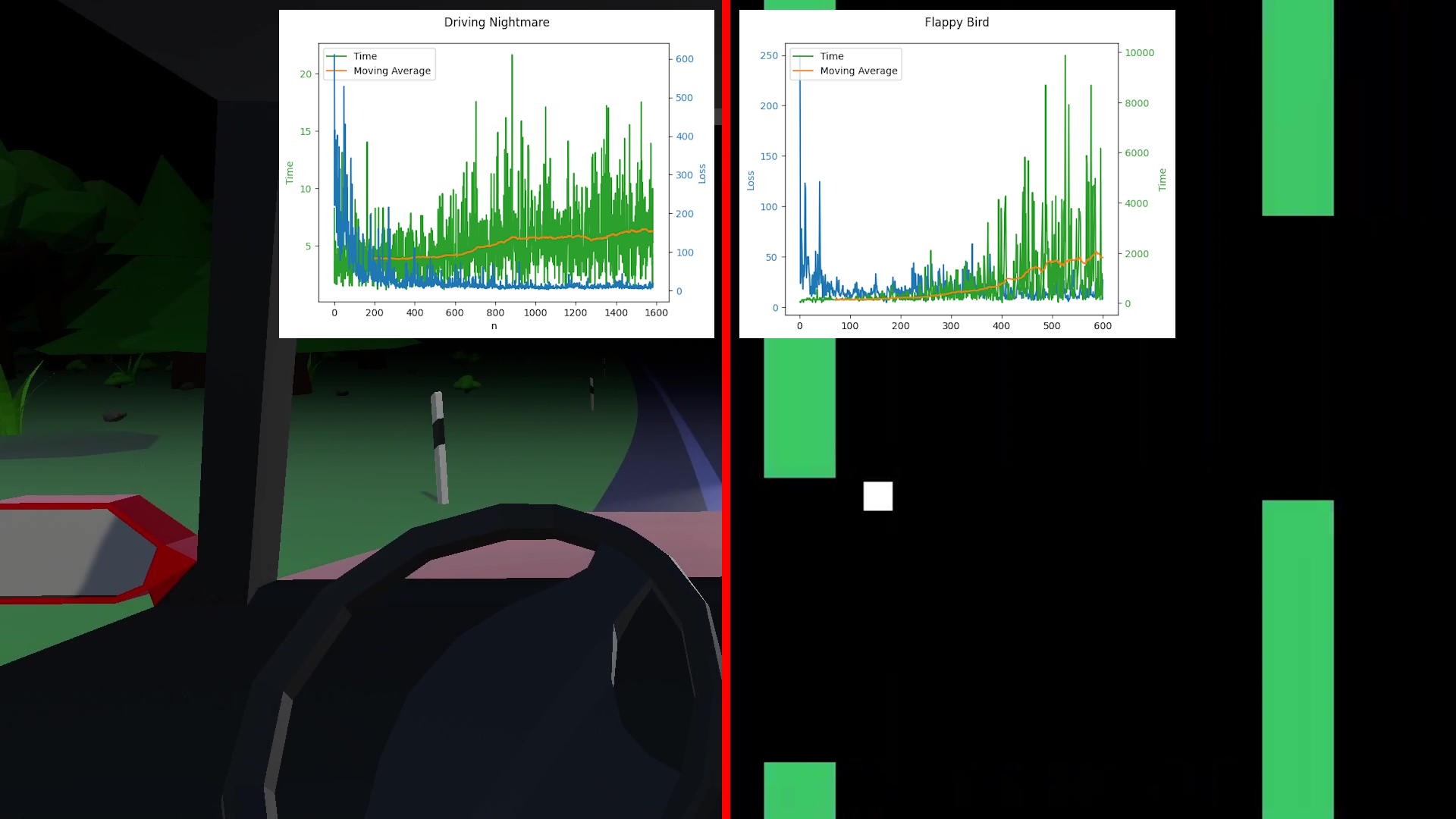
A generalized reinforcement learning convolutional neural network
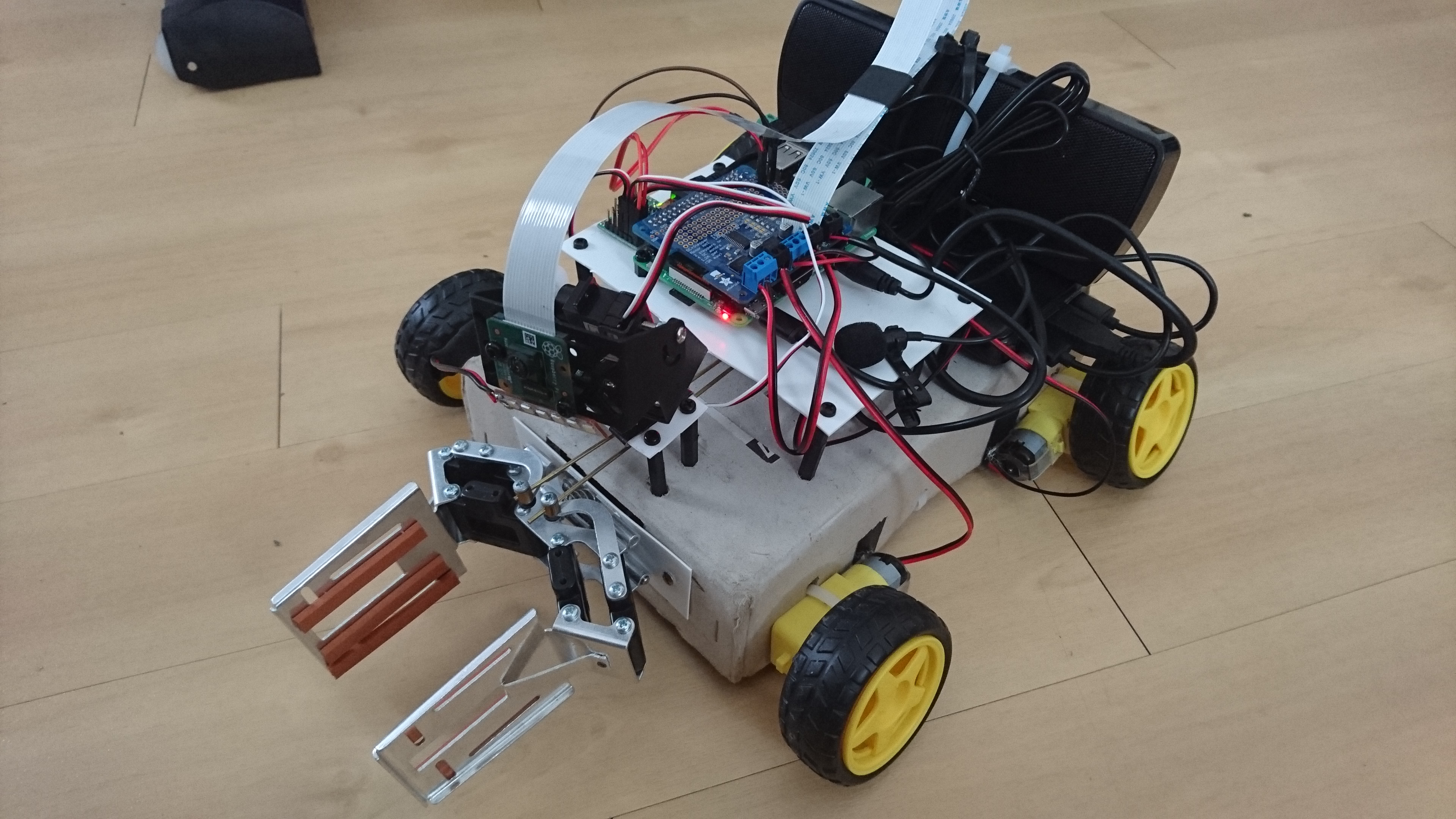
Cardbot
Cardbot in it's last iteration.
Bachelor Thesis
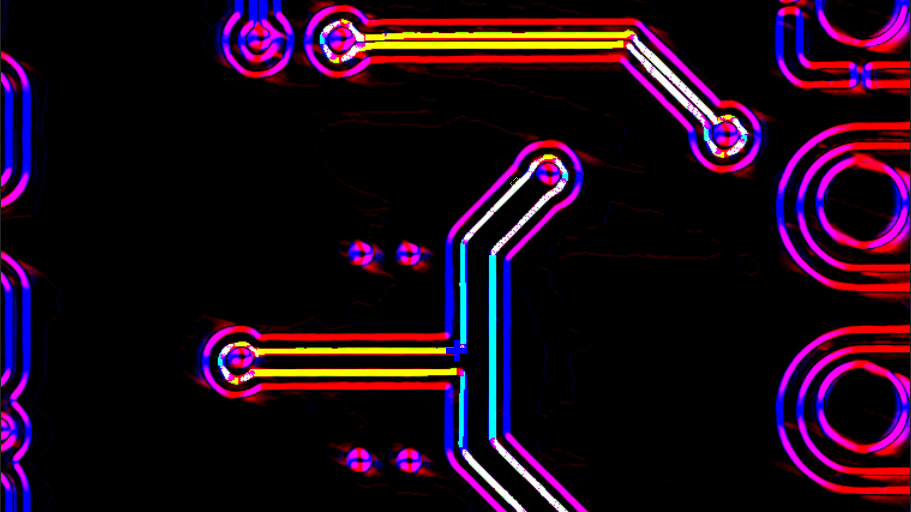
Non Destructive Reverse Engineering of PCBs
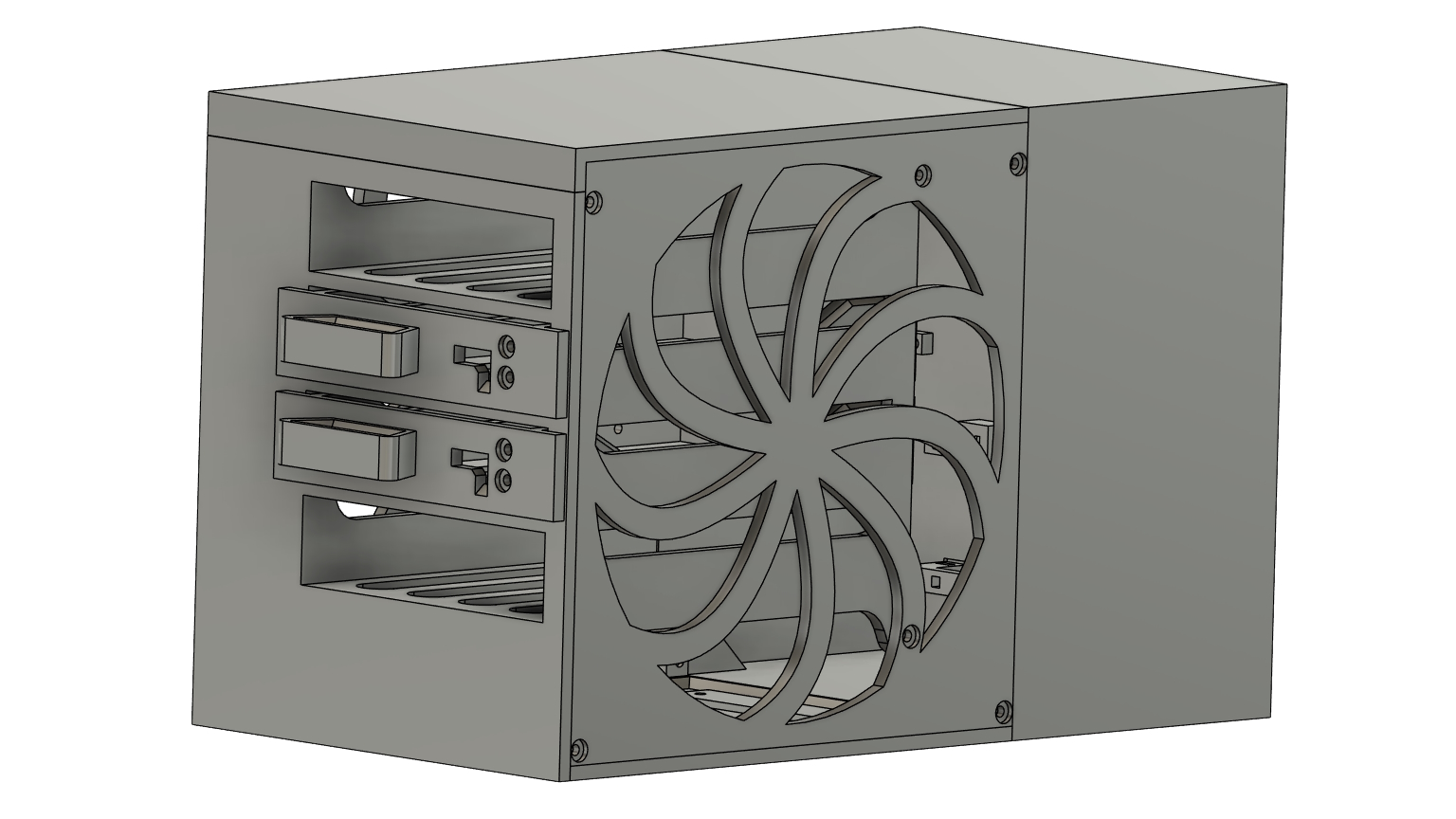
DIY 3D printed 4-bay NAS
A self designed and printed 4 bay NAS with a raspberry pi and software RAID.
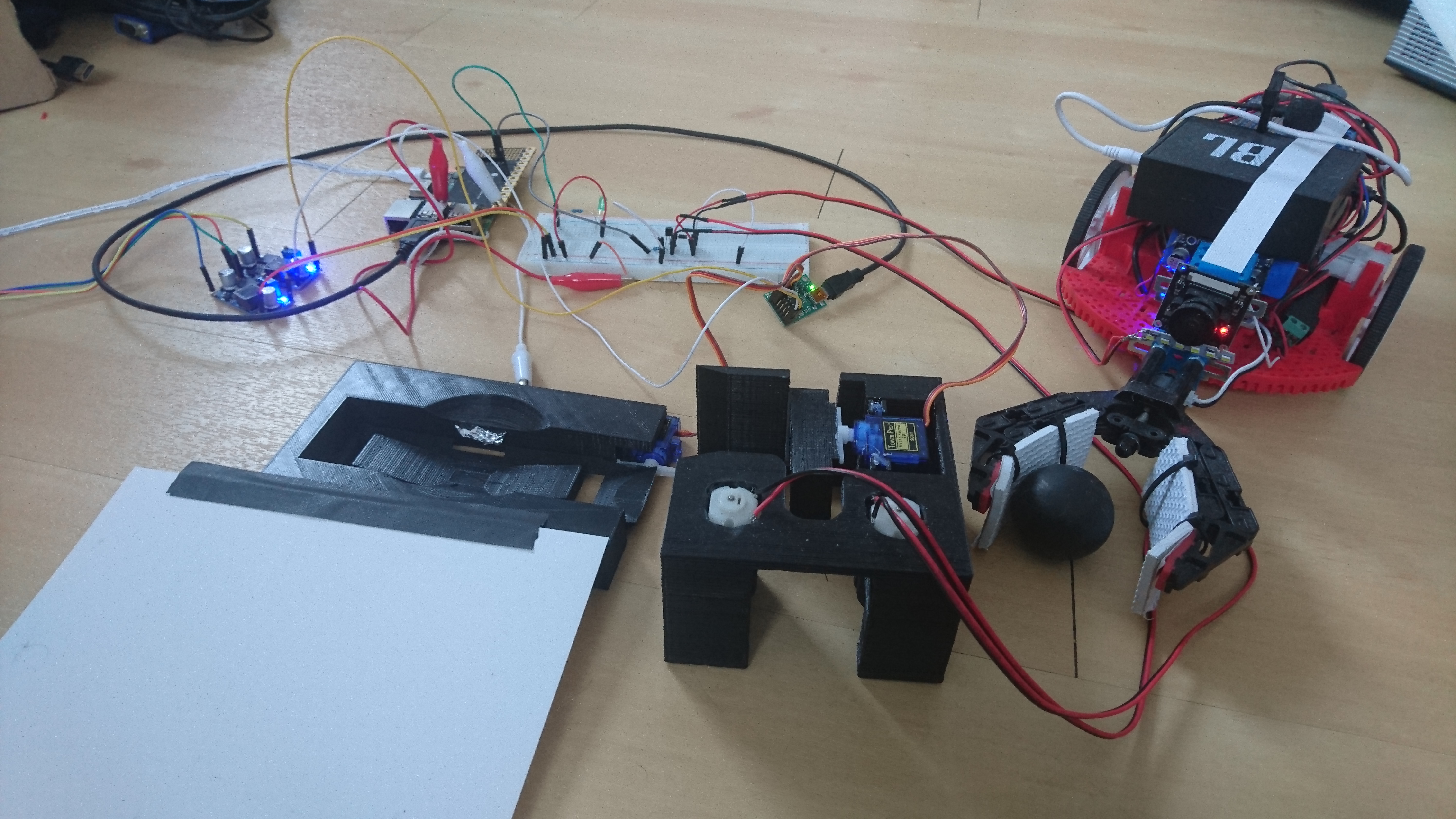
The Pi Cap Fetch Machine
A sponsored project with capacitive touch realized with a robot.
Welcome to my humble website! Here you can find all bigger projects I did and had documented in the past that seemed interesting enough to put on here. I plan to not make this a frequent blog of mine, but rather a log of my projects.
Below are some of my most recent posts. Have fun poking around!
In this Game Jam “Chili Code Jam” we worked on a game with two people on and off around the new year time.
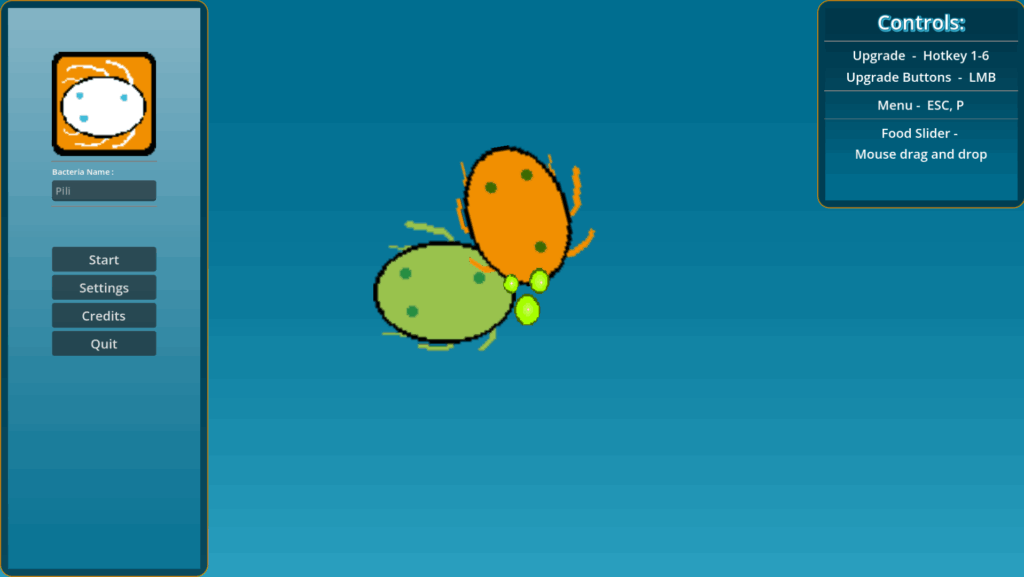
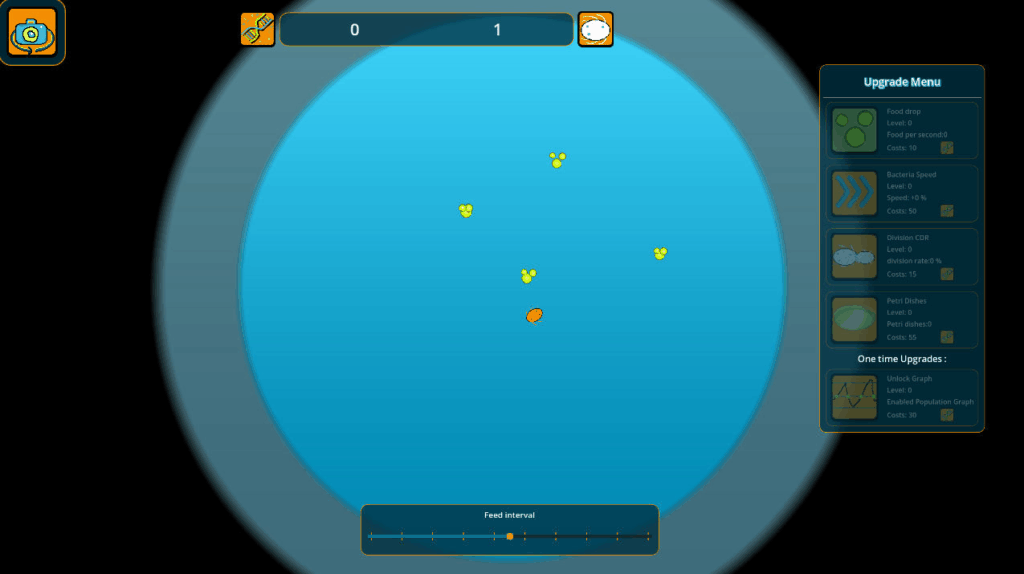
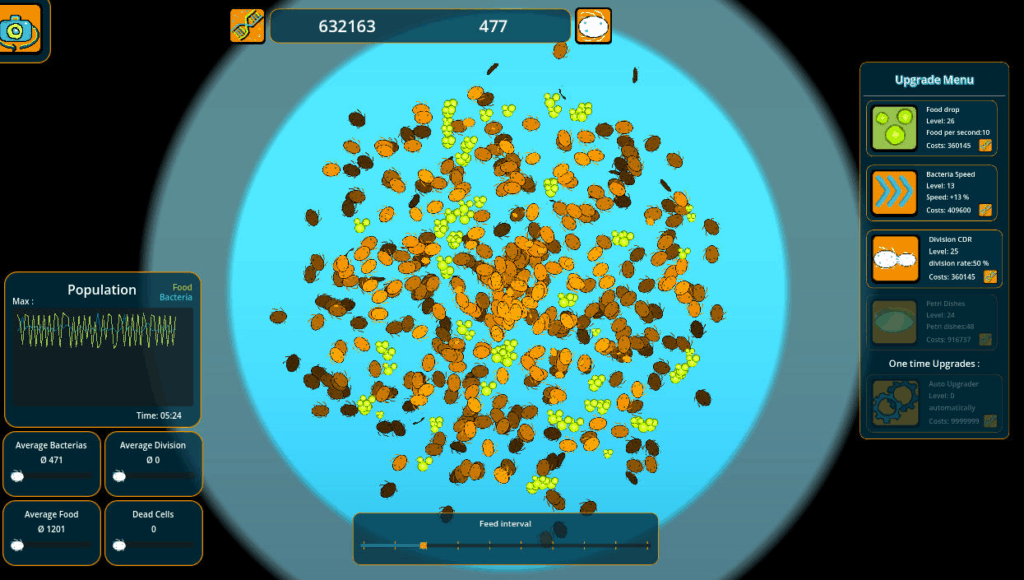
Bacteria Pilli is an incremental game where you have to manage how much food you put out to not overfeed the bacteria and cause them to die.
We even won the Theme category and got 5$ price money, after the #1 place in basically all categories by a mile was found to be cheated and disqualified.
There were 49 Entries (excluding the 5 or so cheated entries). So the overall #7 is top 14.2%.
For the GMTK Game jam 2025, my team of 4 people made a game with the goal of showing the one friend (a complete beginner) how godot works.
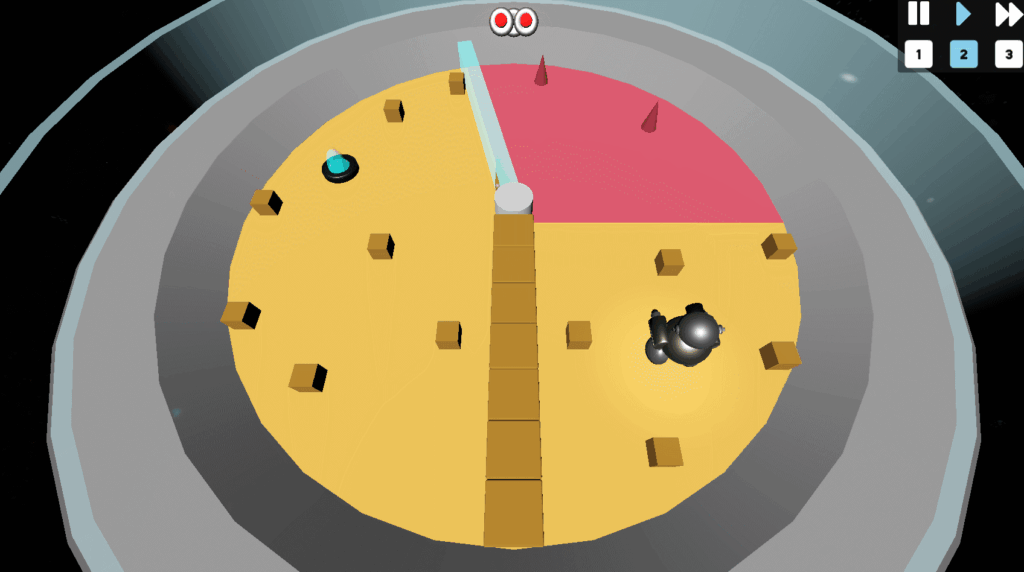
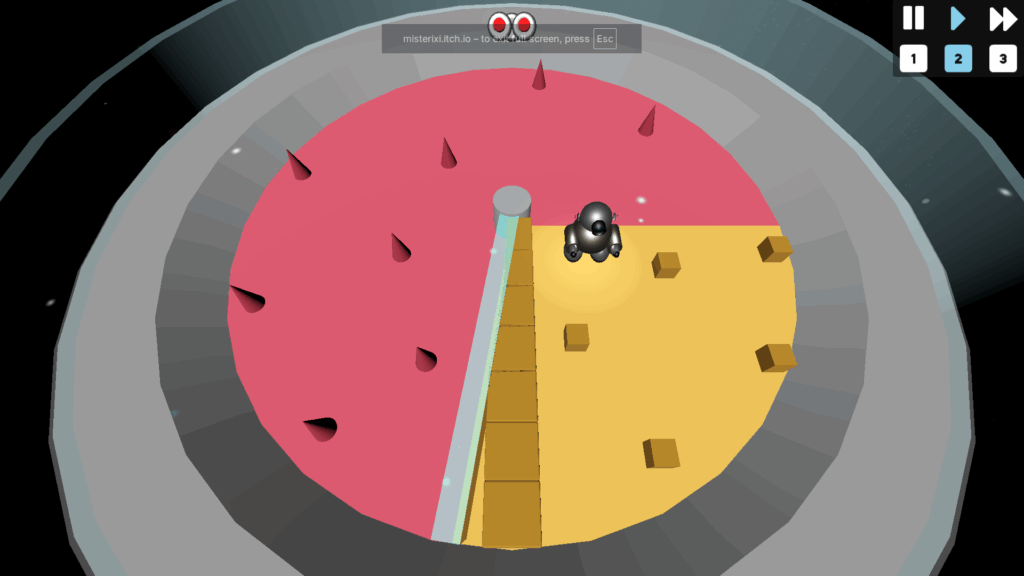
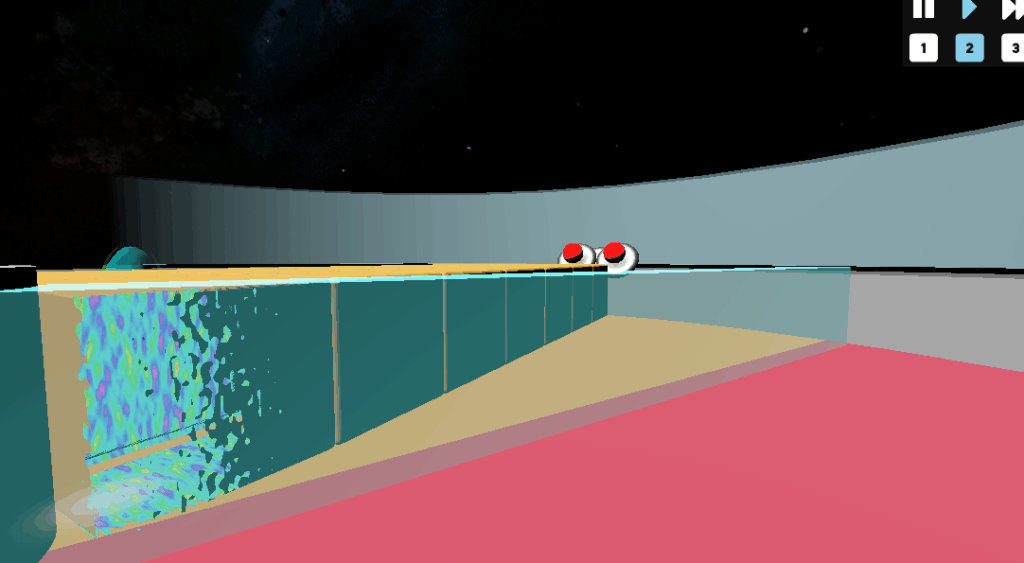
Time Wipers is a puzzle game where you have multiple overlapping “time disks”, that keep swapping out including the objects present. Figure out when to go where, and how to press the buttons to unlock the exits.
Due to the nature of one trying out Godot for the first time, and another having time issues, we mainly created the project with 2 people.
In this Godot Wild Jam #80 we had a team of 6 people. Two of which have never used the godot engine before, so it was a learning jam for them. This was a 9 day jam.
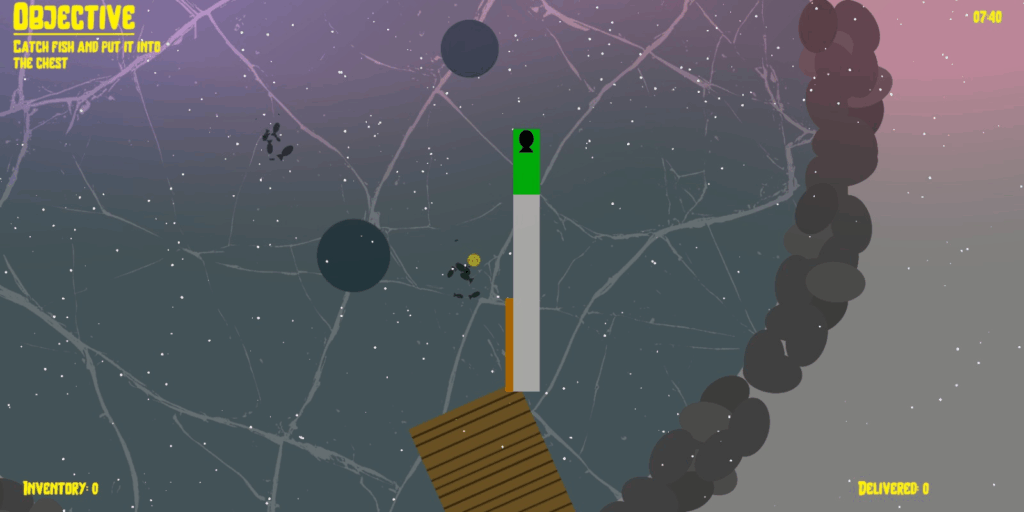
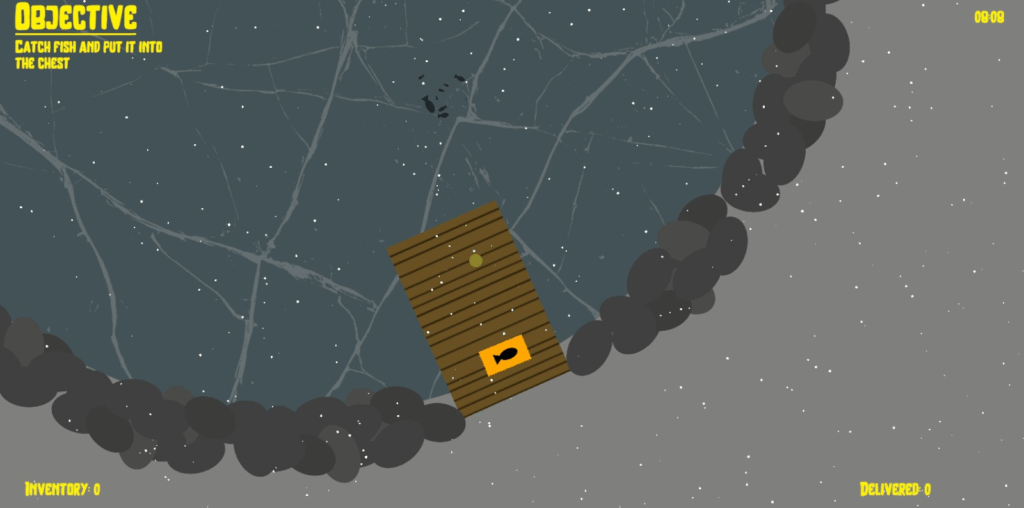
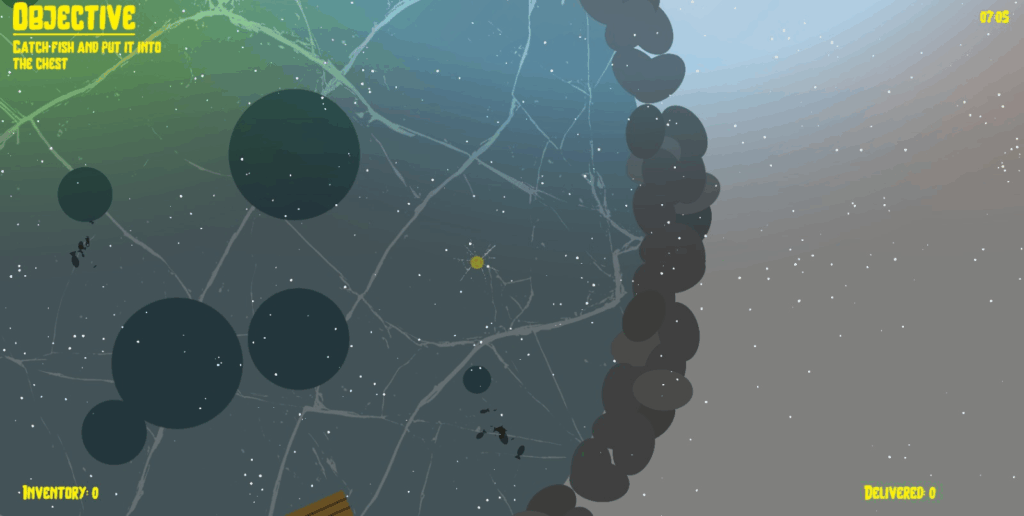
In this Weekend long game jam “PULS GAME JAM 2025“, we (a team of 3), have created a game in Unity. An engine that I have not used in a while and was kind of rusty. Nonetheless we have created a small cozy fishing game in which you are on a frozen lake that breaks over time.
Also we had time problems and two people could not participate in development for a day each.
While creating the concept of a new University module that has the students do a project with the Turtlebot3 robots and RL, a few ideas emerged. While evaluating different robot simulation tools for Reinforcement Learning, one in particular caught my eye: the Godot plugin “godot_rl_agents” by edbeeching. This was the result of a paper creating a bridge from Godot to RL libraries like StableBaselines3.
After trying the plugin it was clear that good result can be achieved quickly, there emerged the idea that students might be more encouraged learning the whole software stack when it involves a popular game engine instead of a “random” simulator with its own proprietary structure and configuration. So now it had to be proven that Sim2Real works with this Situation.
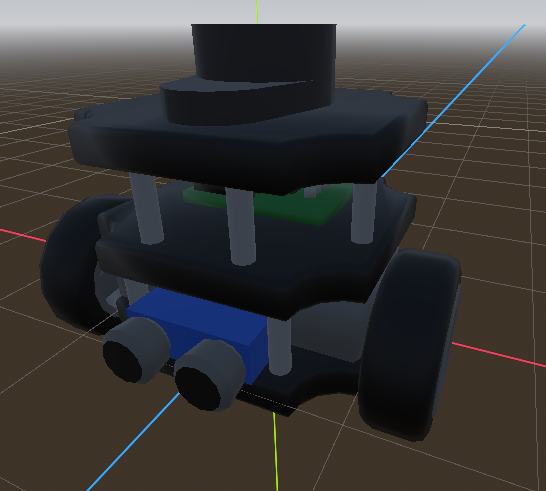
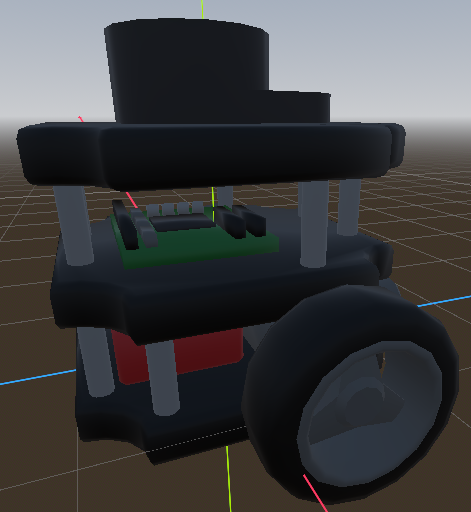
A friend modelled a “digital twin” of a turtlebot3, as the existing open source models usually used were very unoptimized and would hinder performance of actual training. It was purposefully minimal, but with accents to make it recognizable.
At first there was an example with just driving to a target point based on the map. No sensors needed. Simulation:
This was the first result:
The robot visible moves pretty badly in this clip. The reason which was later found: When the sent velocity commands would result in a jerky movement, the controller kind of rejects it and sometimes only does a part of the movement. Or sometimes no movement at all. To counteract this, the input has to be smoothed out beforehand to resist rejection from the controller.
Here is the next experiment with the lerp in mind:
This was the result:
The video shows that the robots performance can definitely be improved regarding stability and sensor calculations. Another big problem is also very visible here in that the small metal caster on the back of the turtlebot is very incompatible with the labs’ carpet flooring. This will be mitigated in the future with wooden plates that will make up the box’s floor.